Wonderful World. Beautiful People. The Caffe del Centro


La Sicilia restaurant in Merida, Mexico. They have a regular dining room, but how can you resist the siren song of an open air courtyard next to the ice machine and the bathrooms? We couldn’t.

We ate at that Italian restaurant in Merida I mentioned. We brought friends. It was pretty good, all in all. It was amusing that the menu and the walls were plastered with the bona fides of the restaurateurs: Maps of New Jersey. They used to live in New Jersey. Case closed, they thought.

Everyone working there was Mexican, of course. Because of television, people everywhere seem to think that the cuisine in the Bada Bing Club must be the finest Italian food in the world. I’ve eaten Italian food in New York and New Jersey many times, and not once thought what I was eating was nearly as good as Federal Hill in Providence, or the old North End, or even Los Angeles, never mind eating in Florence. Amusingly, the greatest Italian restaurant I ever ate in was in a strip mall in Connecticut, and everyone in the kitchen was Vietnamese. It’s a funny old world.

So we staggered out into the night, freighted with Garden State/Yucatecan saltimbocca and British gin, the four of us an instant gang instead of a pair of wanderers. We shimmied down the slender sidewalk in the evening twilight towards the Caffe del Centro. Andy the tout saw us coming from a half a football field away, and started his convivial bombing run early, calling out to us to try the ice cream that could make a stone Madonna weep tears of joy.

Andy stopped short when we hove into visual acuity range. It struck him, I think, that these strange norteamericanos weren’t fibbing like everybody else. We had returned. His smile went from incandescent to supernova, and he called out our names like an old friend, which I guess he was. We’d known him for almost eight hours now, making him our best friend in the city center.

A good tout knows his lane, and doesn’t stray. Andy started his spiel again to entice us to try the ice cream. I held up my hand in mock anger, and explained that if he went inside and got reinforcements and weapons, they still couldn’t keep us out of that place without taking casualties. Queremos helado! Queremos helado aqui! Queremos helado ahora!

You’ll notice that Caffe del Centro isn’t Spanish. Caffe is Italian for cafe in English. The owner turned out to be a Sicilian. His name was Fabio, because of course his name would be Fabio. Everyone who worked for Fabio in the restaurant was Cuban. I’d been trying desperately to expunge all the Italian I knew from the back pages of my mind, longing to replace it with Spanish that would do me more good in Merida. I still suffered the occasional Romance language pratfall and burped out Io when I meant yo, and adesso when I wanted ahora. Now the tables were turned, and I wanted to resurrect the fallen language, and had a deuce of a time. I did manage to annoy Fabio in two languages that he spoke perfectly, and finished him off by annoying him in English when I ran out of everything else. Io non parlo l’italiano molto bene, amici, mah io capisco l’italiano un po. Mi moglie vorree gelato!

I told Fabio I was part Sicilian, and told him my grandparents’ name, which made him cross himself, I think. The beautiful women behind the counter plied us with little samples of their flavors, and then we climbed the stairsteps of their portion size. They offered a shot glass and we shook our heads. Cone? Nope. Little dish? Keep going. I bought tubs of everything for everyone and we sat in their charming forecourt and had a hell of a time eating their wonderful ice cream, or helado, or gelato, depending on which language you were butchering at the time.

I asked the young lady server what the biggest propina (tip) she’d ever gotten. She told me, and I slapped 50% more on top of it and made her day, I hope. She desperately tried to tell me something, but my Spanish engine blew a gasket and left me stranded in the breakdown lane of the communication highway. She may have told me I was a handsome, wonderful person. She might have told me I was standing on her foot. I know which way I’d bet.

Then Fabio gave me the biggest compliment I’ve ever received, except this one time when my wife told me I wasn’t a half-bad husband. Fabio called out from the back of the store: Man of la Mancia! “Mancia” means tip in Italian. It was the second time in my life I was called that. My wife and our friends went to Florence, Italy, once, over 25 years ago, the only other vacation my wife and I have ever taken. My buddy Eddie and I tipped everyone like mad because before the Euro, the lira was like Monopoly money compared to dollars and it was easy to be generous. I remember Emmanuel, the concierge at the hotel, telling us they called us Men of la Mancia everywhere we went, because it was so rare.

We laughed, joked with the staff, and posed them all for pictures like family, and generally annoyed the other customers, who sat and wondered what sort of imbeciles could have that much fun eating ice cream.

It’s easy to explain, really. Wonderful world. Beautiful people. The Caffe del Centro!
How To Win Friends and Influence People: The Tout

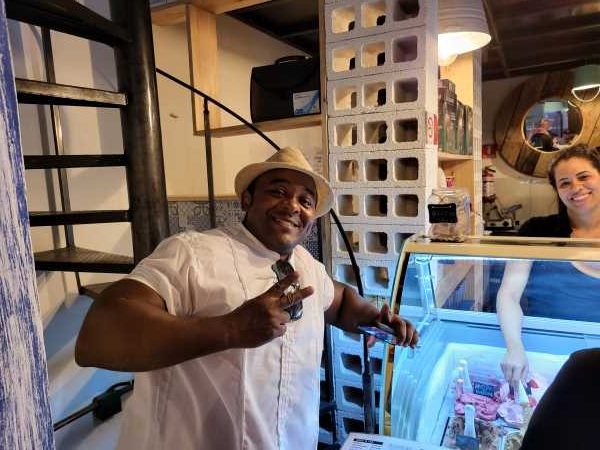
Look hard enough, and I’m in this picture. Proves I’m not a vampire, anyway.

I’ve read lots of books about political economy. Lots. They mostly resemble the parable of the blind men and the elephant. It is dangerous to ladle conclusions cooked up in a little financial saucepan over economies baked in industrial ovens. Certain things might be true, but hardly universal. Other things work great right up until they don’t work at all.

One of the most common economic tropes is creative destruction. While the destruction of livelihoods is painful, whatever gets erased is supposed to be superseded by something much better, or so they say. You lose your job making buggy whips, but get a new one assembling Fords.

What if your job goes away, and there’s nothing to replace it? Someone, somewhere is making more dough, but you’re out in the cold. This is not a theoretical condition for me. I’ve worked in a lot of industries that simply disappeared, one after another. Sometimes I feel like I’ve been standing in a bucket while yanking up on the handle my whole life. Most of America has made-up jobs, or no jobs at all at this point, due to creative destruction which isn’t very creative outside of a Goldman Sachs office.

In Mexico, I noticed a lot of people working who wouldn’t be in the United States. I have no idea of the reason why so many people in Mérida work at jobs that would be automated in the US. In Mexico, they send three guys to do the job of one man with lots of equipment in the states. The other two guys currently stay home and play X-box until they can collect Social Security here in the US, so don’t be quick to judge what “progress” means. Certain things are traditional in Mexico, I think, and stick hard. One of them is The Tout.

Many, if not most businesses in downtown Mérida have a tout out front. There’s a guy, mostly, or occasionally a gal, gladhanding passersby and importuning them to go inside and try the wares. None were hardcore car salesmen types. It was like they were having a city-wide contest to see who could project the most engaging personality. Andy the Cuban won, hands down.

We were walking down the sidewalk near our house one afternoon. This portion of the street was lined with shops and restaurants and banks and so forth. We espied an Italian restaurant we’d heard of, and decided to go there later in the day. A couple of doors down, Andy was ranging around the pavement, shaking more hands than a mayoral candidate, and getting people to go inside a cafe and try a free sample of their helado — ice cream.

Andy was two barrels of monkeys with a smile and a handshake like a bishop’s blessing. He shifted seamlessly from rat-a-tat Spanish to halting English when he saw us coming. Being a foot taller and several Pantone decks lighter than everyone else is a dead giveaway in Mexico. I can’t imagine what a pasty beanpole like me must look like to guys like Andy, nut brown, husky, with a beaming round face, breathing air below my stratosphere. He must have thought he was trying to sell ice cream to Eskimos, as the saying goes. Hell, to a Cuban, someone from Maine is an Eskimo.

Andy shook my hand like a locomotive getting going, complimented my wife’s looks just the right amount, and expounded on the wonders of ice cream simultaneously. I assured him that we had heard of ice cream, and had been meaning to try it for many years, but had never gotten around to it. I had trouble following along completely, because his English trailed his enthusiasm in the race for my attention, with my Spanish a distant third. I gathered that the helado inside would transform our lives like a trip to Lourdes. We’d be taller and better looking after eating it, which was a pretty high bar to clear according to Andy, what with us being rated as movies stars or something already, but this ice cream was up to the task.

I made a mistake. I told the truth. It’s the one thing a tout is unprepared to hear. They never hear the truth, so they don’t recognize it. A tout’s pitch is a form of pleasant persuasion, and the average person can’t deal with pleasant persuasion. You make up a lie to get out of the OODA loop of marketing. I’m allergic to ice cream. My mother died in a freak popsicle accident and I’ve never gotten over it. I have ten minutes to live if I don’t find an antidote to the snake bite I just received at the art museum. That sort of unanswerable lie gets you off the hook and walking again. But I told Andy that we were going to eat in the Italian restaurant two doors down that evening, and we would return afterwards.

He didn’t believe us, of course. He kept going, looking in the dark for the correct key to the lock of our attention. I was preparing to cut the cord and wander off, when a very attractive young lady came out of the shop and spoke something like seven words in the wrong language to my wife, and that settled the matter. We were inside testing little spoonfuls of helado in about seven seconds. Female humans get shit done where ice cream is involved.

We promised again to return, and they didn’t believe us. But we did.

[To be continued. Thanks for reading and commenting and recommending Sippican Cottage to your interfriends. It’s greatly appreciated]

Come Back Monday. Come Back Tuesday, and Then I Might

The internet really likes lots of seventies bands. However, they pick the strangest ones to resurrect, if my tastes are the yardstick. I don’t need to see a Queen video, thanks, and never needed to hear an Abba song in the first place. But hey, knock yourselves out kids. Like what you like.

The seventies are starting to slip into that never-never land of eras known to a younger generation solely by movies and TV shows about the decade, not so much actual recollections. One band I never see mentioned anywhere on these here intertunnels is Little Feat. They get listed under Southern Rock, but they don’t seem much like that to me. They seem like Little Feat. Anything else is a category error.

Well if no one else is going to paste them on their website, then I might.

Accept No Substitutes

So the other day, someone asked me what my favorite version of Hotel California was. I was confused. You mean there’s another version besides the Gipsy Kings? Who knew?

Escenas de las Calles de Mérida

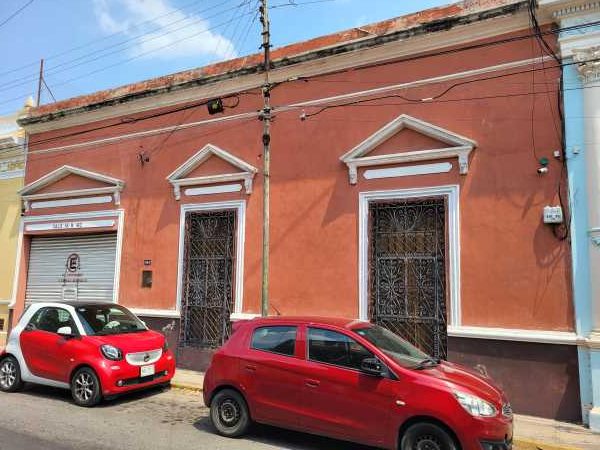
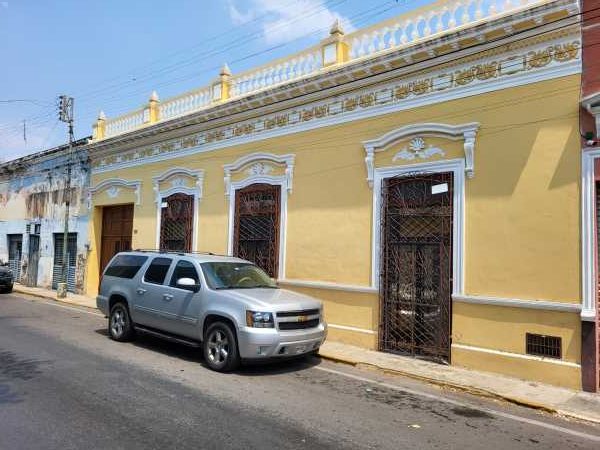
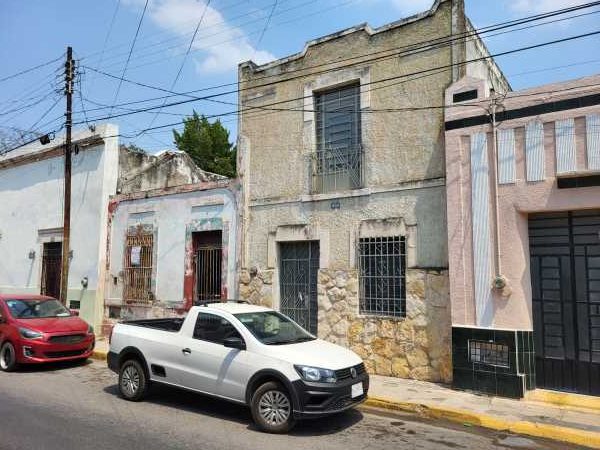
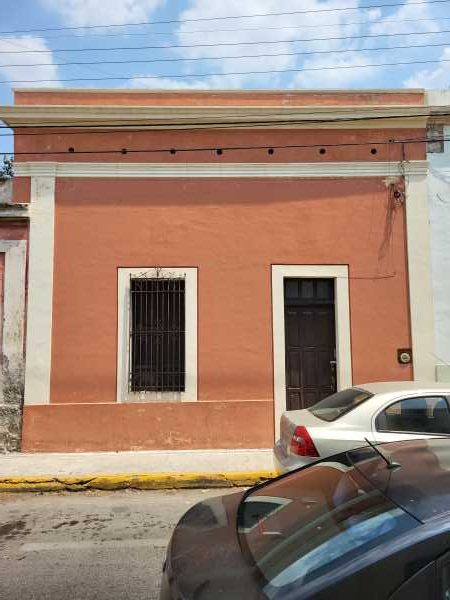
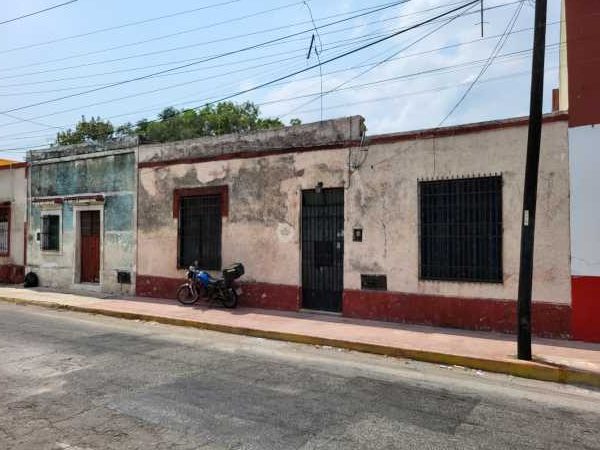
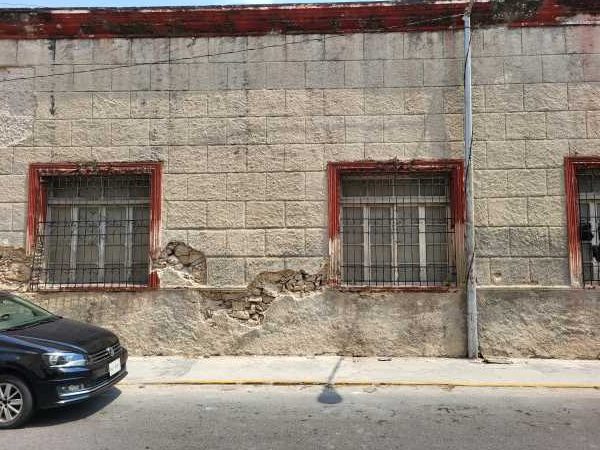
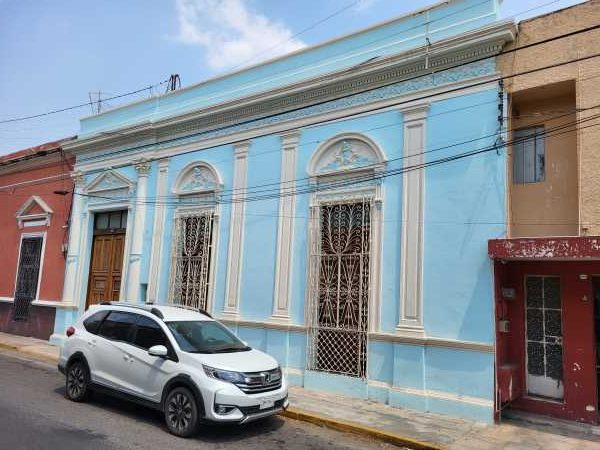
Well, nothing left to do but wander down the street and gawp at things. This is just a random selection of houses near the centro of Mérida. I like the ones left to weather the decades as much as the spanking painted ones. Patination is wholly underrated in the United States. That’s why most everything is plastic or powerwashed. But Mérida is a kind of paradise for me. Everything is real.

Roll up doors like that one are pretty rare, thankfully. Iron gates or wooden doors are the common thing.
That’s about the only really big car I saw in town. It looked out of place on the slender streets.
There is almost no way to tell what’s behind the facades. A house 8 feet wide might be 150-feet deep. Love the Juliet balcony, and Romeo’s little pickup truck.
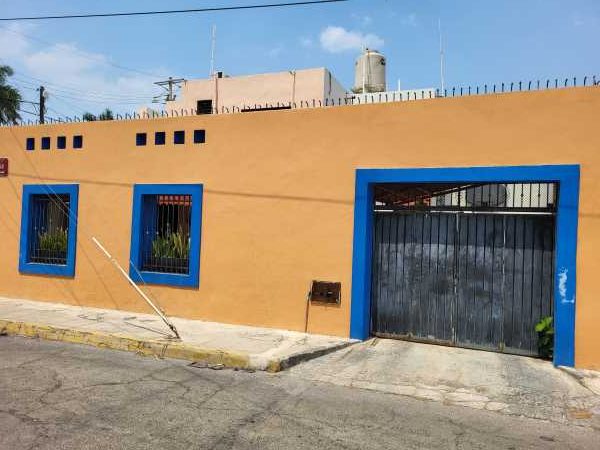
This terra cotta color is all the rage.
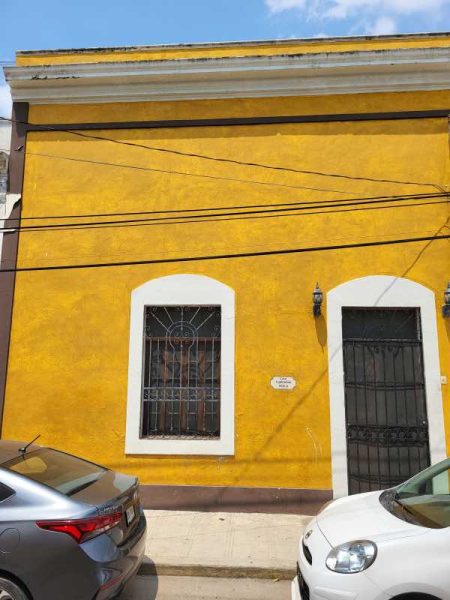
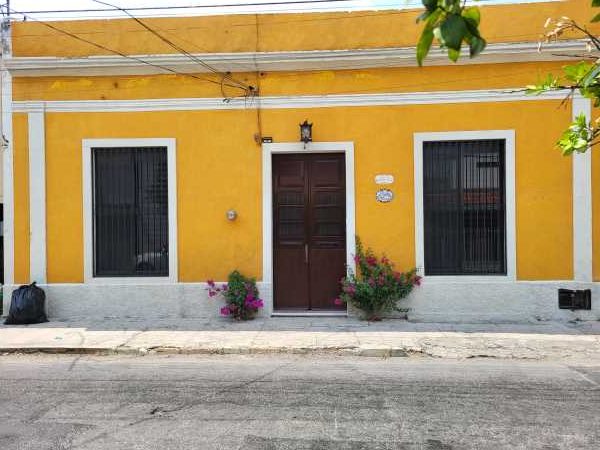
Under this sun, yellows really stretch out and get some exercise.
This house is really big, and quite elaborate inside. That tank you see up on the roof is the water supply. Some places have cisterns in the ground, but most have a tank on the roof like that one.
Peach and red and 75 years of weather.
Looks like a John Ford western set.
There’s that golden yellow again. Mexico designates certain districts in a few towns as Barrios Mágicos, and sometimes everything gets painted golden yellow like that. It reminds me of the Centennial United States painting entire neighborhoods of New England homes white with green shutters.
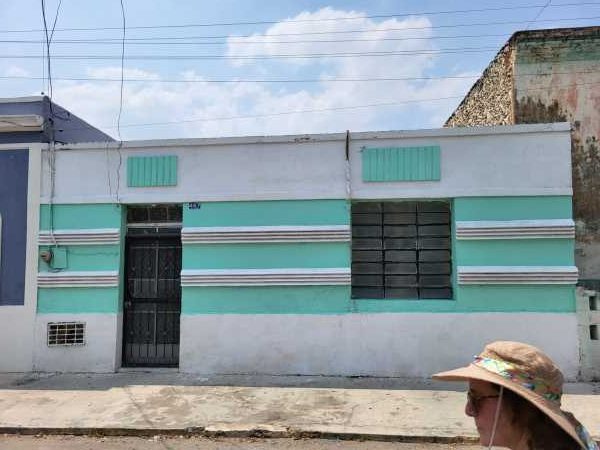
There’s plenty of Art Deco stuff in Merida.
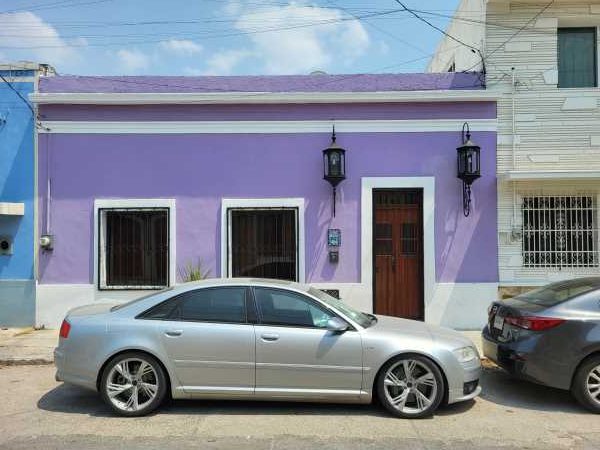
Poiple is common, too.
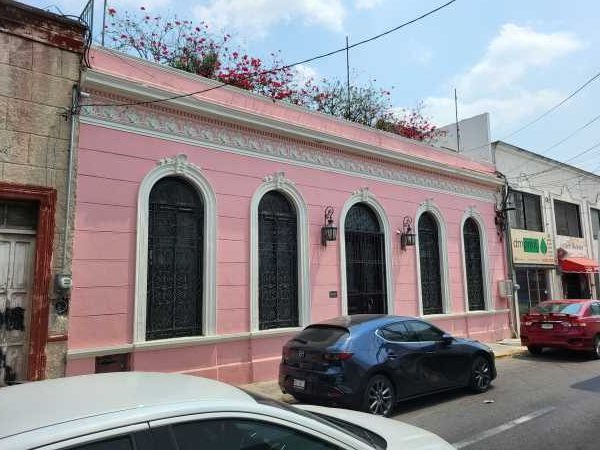
And pank.
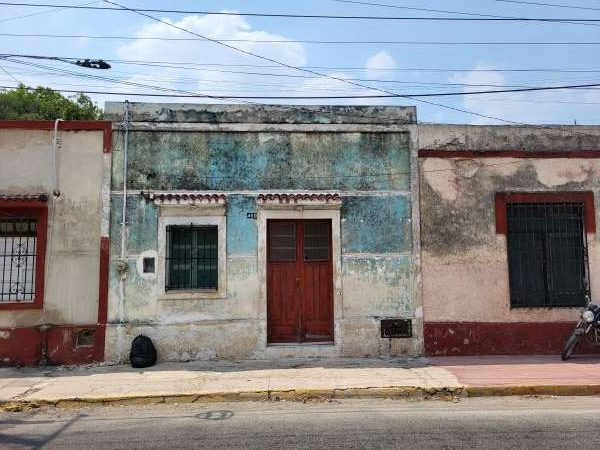
The walls of a lot of the buildings are literally mortared rubble, and the rustications are applied as surface treatment.
Powder blue looks great under the unrelenting sunshine.

[Thanks for reading and commenting and buying my book and hitting my tip jar. It is greatly apppreciated]

Month: April 2024

Find Stuff:

Archives