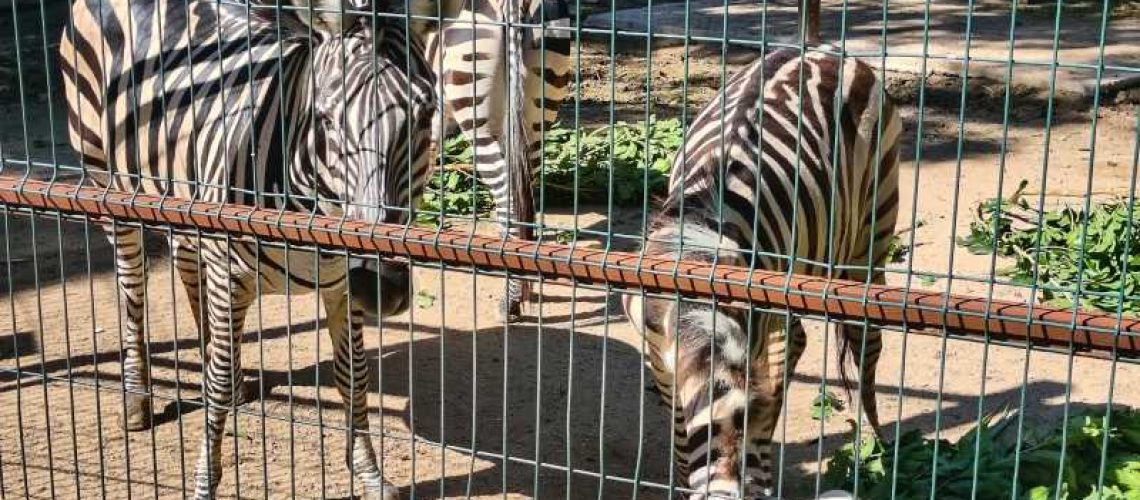

The Parque Zoológico del Centenario, that is.

The zoo is only a ten minute walk from our house, so we wander through from time to time to commiserate with the animals about the ambient temperature. The “centenario” sobriquet is because the park was founded in 1910, the 100-year anniversary of the Mexican Revolution. For about 50 years, the park was just a pleasant park, full of plants and benches. Then in 1962, they made it into a zoo. It’s not huge, but its walls keep around 600 animals from wandering into traffic.
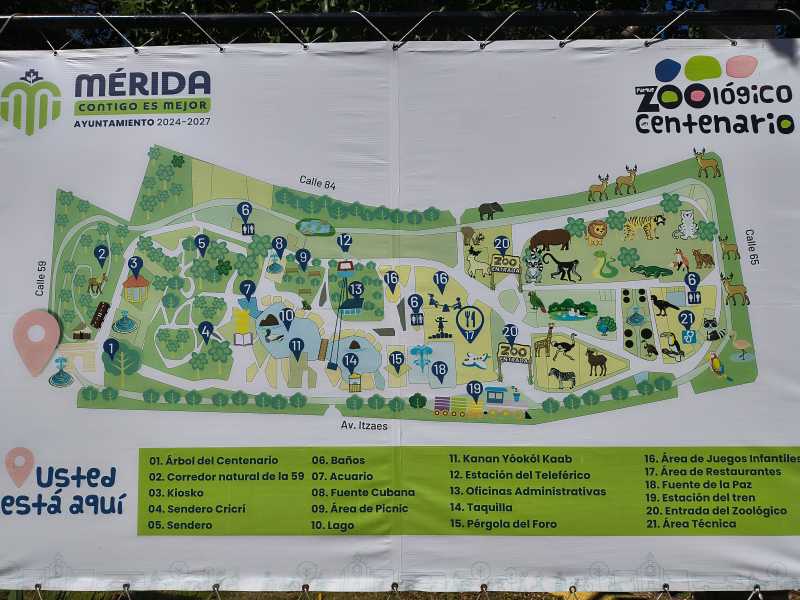
The park still retains enough of its original layout as a botanical garden to make it a pleasant place just to meander in shady allees, not simply as a collection of animals to gawk at.
It’s the second most popular tourist destination in the area, after the nearby Mayan ruins at Chichen Itza. I guess “tourist destination” is an inapt description for the zoo. The park is full of young families from the area. If anyone else in the park was speaking anything other than Spanish, we didn’t hear them.
Maybe a million people visit the park every year. That’s a lot, in a city with about a million people. They don’t have an exact count, because, get this, there’s no entrance fee. No one frisks you at the gate, either, to see if you’re packing weapons or your own lunch. You can buy booth food inside if you want, but many families brown bag it. It’s a decidedly peaceful and pleasant place.
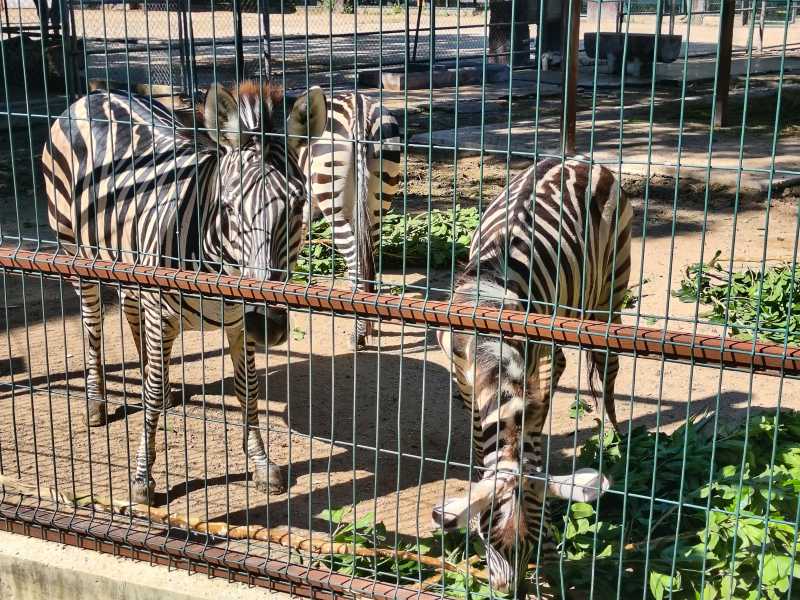
There’s an interesting tradeoff that comes with a zoo built in the sixties. Unlike modern zoos, like the one in San Diego for instance, not a lot of the exhibits are vast naturalized pens with moats to keep the animals in instead of wire fences to keep you out. So here in Merida you’re mostly looking through a grid to see the critters, but on the flip side, you can walk right up to them. About eighty percent of the time in San Diego, the animals were slouching somewhere you couldn’t see them. They slouch here, of course, because it’s 95 degrees every day it’s not 100, but they slouch up close where you can get a look at them. And occasionally, a whiff. Zebras are horses with B.O., for instance.
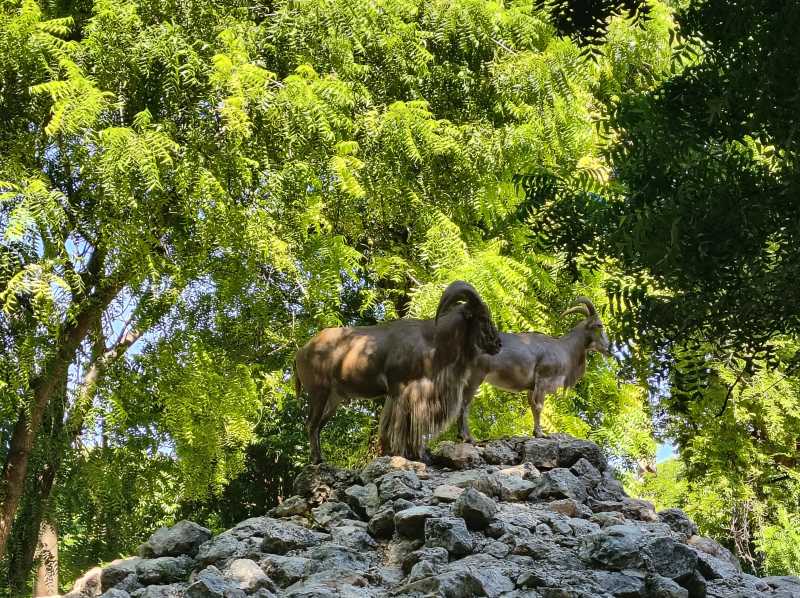
The animals seem pretty contented. The mountain goats, for instance, were provided with a pile of rocks, which they stand on, because what else would they do? They wouldn’t do tricks or long division or anything if they had a more elaborate pen:
There’s always one animal at any zoo, anywhere, who’s always on duty. The lions lie on their backs and snooze, the hippos wallow, the monkeys lounge, but you can always find one of these beast keeping constant watch:
Anybody with a house cat and a sliding glass door will recognize this behavior. That’s a melanistic, or melanic jaguar, depending on who you ask. That means it has the same spots as any other jaguar, but they’re hidden in its all black fur. I would have checked it for the sublimated spots, and I’d tell you if this jaguar was a male or a female, but I respect its privacy. Also, I got the impression that if I put as much as my pinkie through the chain link, it would suck me through the hole and eat me.
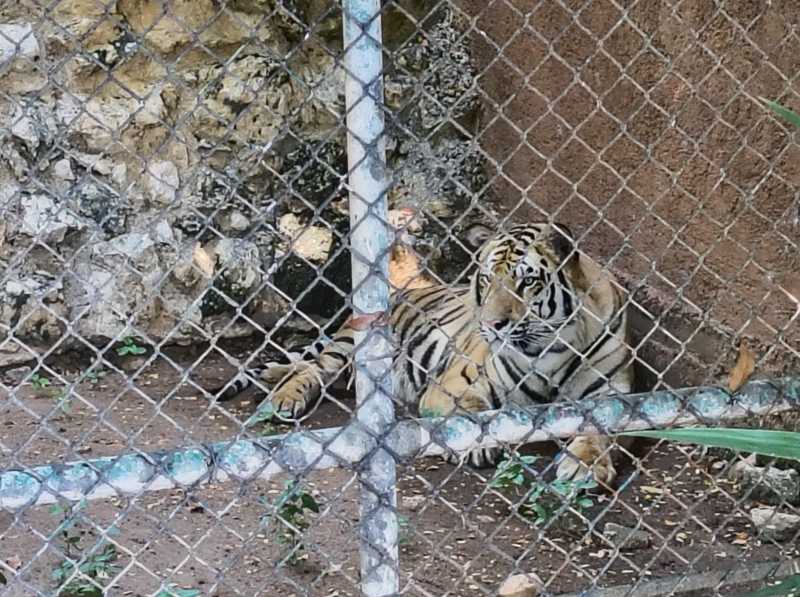
El tigre was much more mellow. He didn’t look like he wanted to eat you or anything. I assume he’d already eaten the guy that mucks out his cage, and was full. Unlike lions, who are clowns, tigers always seem pretty serious.
But all these animals are from the Holocene, I guess, and so am I, so I’m not that scared of them. It’s when the Cretaceous shows up that I get worried. Meet the final boss of the Centenario zoo:
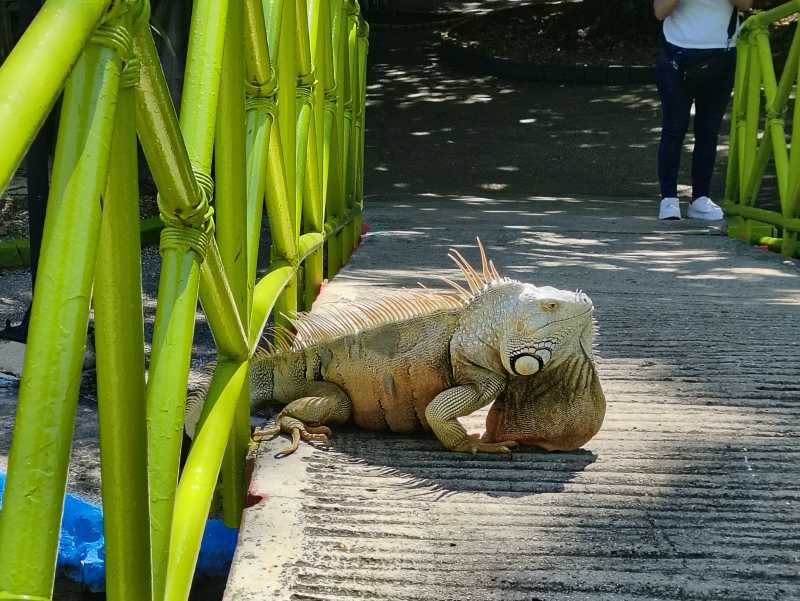
So there’s no cover charge at the Centenario zoo, but the bouncers sure look ferocious. Behave yourself, and if you’re smart, avoid the bridge.